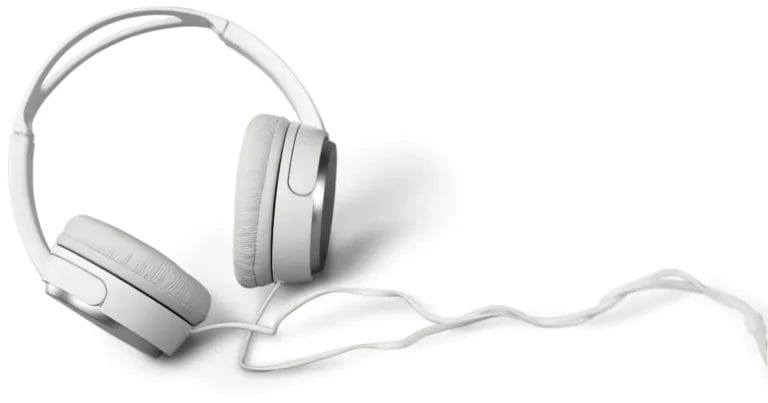
Open-Back Headphones Vs Closed-Back: Which Is Better For You In 2023?
Discover the differences between open-back headphones and closed-back headphones. When it comes to audio quality, comfort, and sound isolation, these headphones offer unique features. While open-back headphones provide a spacious soundstage and natural sound, closed-back headphones excel in noise isolation and bass response. Other factors to consider include portability, leakage, and price. Choose the headphones that suit your needs and preferences to elevate your audio experience.

Key Takeaways: Open-Back Headphones vs Closed-Back
1. Open-back headphones let sound escape, creating a more natural and spacious audio experience.
2. Closed-back headphones provide better noise isolation and prevent sound leakage.
3. Open-back headphones are ideal for critical listening and immersive gaming experiences.
4. Closed-back headphones are great for blocking out background noise and enjoying music on the go.
5. Consider your needs and preferences to choose between open-back and closed-back headphones.
Comparing Open-Back Headphones vs Closed-Back
When it comes to choosing the perfect pair of headphones, there are many factors to consider. Two popular headphone designs that often come up in discussions are open-back headphones and closed-back headphones. While both serve the purpose of delivering high-quality audio, they differ in design and performance. In this article, we will explore the differences between open-back headphones and closed-back headphones, and help you decide which one could be the best fit for your needs.
Overview of Open-Back Headphones
Open-back headphones are characterized by their perforated ear cups, which allow air to pass through the headphone drivers. This design feature creates a more spacious, natural soundstage and helps to reduce resonance and echo. Open-back headphones are widely regarded for their accurate and detailed audio reproduction, making them a popular choice for critical listening, mixing, and mastering applications. These headphones are also known for their breathability, as the open design allows air to circulate, resulting in a more comfortable listening experience, especially during longer sessions.
In terms of sound leakage, open-back headphones do not provide much isolation from external noise. This means that people around you will be able to hear what you’re listening to, and you may also be able to hear sounds from your environment. Therefore, open-back headphones are better suited for quiet listening environments such as a home studio or a dedicated listening room.
One of the drawbacks of open-back headphones is their lack of isolation. Since sound can escape freely from the ear cups, external noise can easily enter, which can be distracting in a noisy environment. Additionally, the open-back design also means that the bass response may not be as pronounced as closed-back headphones, although this varies depending on the model.
Overview of Closed-Back Headphones
Closed-back headphones, as the name suggests, feature tightly sealed ear cups that isolate the listener from external noise. This design provides excellent noise isolation, making closed-back headphones a great choice for use in loud environments or when you want to keep your audio private. The closed-back design also helps to enhance bass response, as the sealed ear cups prevent sound leakage and allow the low frequencies to resonate more effectively.
Compared to open-back headphones, closed-back headphones typically have a more intimate and immersive soundstage, as the sealed ear cups create a more focused audio experience. This makes closed-back headphones suitable for genres like electronic music and hip-hop, where a punchy and bass-heavy sound is desired.
However, due to their closed design, closed-back headphones can sometimes produce a “cabinet effect” or a feeling of pressure in the ears, especially during extended listening sessions. The lack of breathability in the ear cups can also lead to heat buildup, making them less comfortable for long periods of use. Additionally, closed-back headphones may not offer the same level of audio accuracy and detail as open-back headphones, although this can vary depending on the specific model.
Key Features Compared
Now that we have discussed the general characteristics of open-back headphones and closed-back headphones, let’s dive deeper into the specific features and compare the two designs.
Sound Quality
When it comes to sound quality, both open-back headphones and closed-back headphones have their own unique strengths. Open-back headphones are known for their accurate and natural sound reproduction, thanks to their spacious soundstage. The open ear cup design allows sound to disperse more freely, resulting in a wider and more immersive audio experience. This makes open-back headphones a popular choice among audiophiles and professionals in the music industry who require precise sound representation.
On the other hand, closed-back headphones are favored for their powerful bass response and enhanced isolation. The closed design prevents sound leakage, allowing the low frequencies to resonate more effectively, resulting in a more impactful and rich bass. This makes closed-back headphones a preferred choice for genres that heavily rely on bass, such as EDM or hip-hop.
Ultimately, the choice between open-back headphones and closed-back headphones in terms of sound quality depends on your personal preferences and usage scenarios. If you prioritize accuracy and a natural soundstage, open-back headphones may be the better option for you. However, if you prefer a more immersive and bass-heavy sound, closed-back headphones might be more suitable.
Comfort
Comfort is an essential factor to consider when choosing headphones, especially if you plan to use them for extended periods. Both open-back headphones and closed-back headphones have their own comfort considerations.
Open-back headphones often have a lighter and more breathable design. The perforations in the ear cups allow air to circulate, reducing heat buildup and providing a more comfortable listening experience, even during long sessions. The breathable design also minimizes ear fatigue, making them suitable for extended use. However, open-back headphones may not fit as snugly as closed-back headphones, which can result in less effective noise isolation and potential sound leakage.
Closed-back headphones, with their tightly sealed ear cups, provide better passive noise isolation. This helps to block out external noise, allowing you to focus on your audio. However, the closed design can lead to heat buildup and a feeling of pressure, especially during extended listening sessions. The fit can also play a significant role in comfort, as closed-back headphones need to create a tight seal around the ears to provide optimal sound isolation.
In terms of comfort, it ultimately depends on your personal preferences and the intended usage. If you prioritize breathability and a lightweight design, open-back headphones may be the better choice. However, if you require better isolation and are willing to sacrifice some breathability, closed-back headphones may be a more suitable option.
Use Case
Another aspect to consider is the intended use case for your headphones. Depending on your needs and preferences, either open-back headphones or closed-back headphones may be more suitable.
Open-back headphones are often favored for critical listening and studio applications. Their accurate and detailed sound reproduction makes them ideal for mixing, mastering, and other audio engineering tasks. The spacious soundstage allows for better representation of instrument placement and helps to create a more natural listening experience. Open-back headphones are also suitable for general listening if you are in a quiet environment, where sound leakage would not be an issue.
Closed-back headphones, on the other hand, are more versatile when it comes to use cases. Due to their excellent noise isolation, they are well-suited for portable use, commuting, and use in noisy environments. The enhanced bass response and more focused soundstage make them popular for genres like electronic music and hip-hop, where a punchy and bass-heavy sound is desired. Closed-back headphones are also a great choice for gaming, as they can provide a more immersive experience and help enhance spatial awareness in games.
Consider your specific use case and decide which features and qualities are most important to you.
User Experience
The user experience of open-back headphones and closed-back headphones can vary depending on the individual and their specific preferences and needs. However, there are some general aspects that can be discussed.
Open-back headphones provide a more natural and spacious soundstage, which can make the listening experience more immersive and engaging. This makes them a great choice for critical listening and for those who appreciate accurate audio representation. Additionally, the breathability of open-back headphones can lead to a more comfortable listening experience during longer sessions.
However, open-back headphones may not be ideal for use in noisy environments or situations where sound leakage could be a concern. The lack of isolation can be distracting, and the audio bleed may disturb others around you. Therefore, the user experience of open-back headphones is best enjoyed in a controlled and quiet listening environment.
Closed-back headphones excel in providing excellent noise isolation, making them a preferred choice for portable use and in loud environments. The enhanced bass response and more focused soundstage can also contribute to an engaging listening experience, especially for music genres that rely on strong bass presence. Closed-back headphones are best suited for those who value isolation and want to keep their audio private.
However, the closed design of these headphones can lead to heat buildup and a feeling of pressure on the ears, especially during long listening sessions. Comfort may vary depending on the fit and the specific model of closed-back headphones. It is important to try different options and consider personal preferences when selecting closed-back headphones.
Pros and Cons
Open-Back Headphones
Pros:
- Accurate and natural sound reproduction
- Spacious soundstage
- Comfortable for long listening sessions
- Breathable design
Cons:
- Minimal noise isolation, may disturb others
- Sound leakage can be distracting
- Less effective bass response compared to closed-back headphones
Closed-Back Headphones
Pros:
- Excellent noise isolation
- Enhanced bass response
- Focused soundstage
- Suitable for portable and noisy environments
Cons:
- Can cause heat buildup and pressure on the ears
- Less breathable design
- May not provide as natural and accurate sound reproduction as open-back headphones
Price Comparison
When comparing the prices of open-back headphones and closed-back headphones, it is important to consider that the cost can vary depending on the brand, model, and specific features of the headphones. Generally, open-back headphones tend to be more expensive than closed-back headphones due to their more specialized design and higher-quality drivers.
Prices for open-back headphones can range from around $200 to over $1000, with some high-end models exceeding $2000. On the other hand, closed-back headphones are available at a wider range of price points, starting from around $50 and going up to $1000 or more for premium models.
It is essential to consider your budget, desired features, and intended use case when determining how much you are willing to invest in a pair of headphones. As with any audio equipment, it is generally recommended to choose a reputable brand and prioritize quality and performance over price alone.
Comparison Table
…
| Feature | Open-Back Headphones | Closed-Back Headphones |
|---|---|---|
| Sound Quality | Accurate and natural sound reproduction, spacious soundstage | Enhanced bass response, more focused soundstage |
| Comfort | Lightweight and breathable design | Better passive noise isolation |
| Use Case | Studio applications, critical listening | Portable use, commutes, gaming |
| Price | Variety of price points, generally more expensive | Wide range of price points |
Which is Better?
Deciding whether open-back headphones or closed-back headphones are better ultimately depends on your specific needs, preferences, and usage scenarios. Both designs have their own strengths and weaknesses, and it’s important to consider these factors before making a decision.
For those who prioritize accuracy, a natural soundstage, and critical listening, open-back headphones may be the better choice. Their ability to provide detailed audio reproduction and a more immersive listening experience makes them ideal for audiophiles, professionals in the music industry, and those who value accurate sound representation.
On the other hand, if you prioritize noise isolation, a powerful bass response, and a more focused soundstage, closed-back headphones may be the better option. They excel in cutting off external noise and delivering a punchy listening experience, making them suitable for portable use, commutes, and genres that heavily rely on bass.
Ultimately, your decision will depend on factors such as your listening environment, intended use case, sound preferences, and budget. It may be helpful to try out both types of headphones before making a final decision. Remember to consider the specific features and qualities that are important to you, and choose the headphones that best align with your needs.
Why Open-Back Headphones Might Be the Winner:
- Accurate and natural sound reproduction for critical listening
- Spacious soundstage for an immersive and engaging audio experience
- Comfortable design for long listening sessions
Keep in mind that this decision is subjective and may vary based on personal preferences and needs. Ultimately, the best headphones for you are the ones that provide the most enjoyable and fulfilling audio experience.
Frequently Asked Questions
In the world of headphones, there are two popular types: open-back and closed-back. These headphones differ in design, sound isolation, and soundstage. If you’re curious about the differences between the two, take a look at these frequently asked questions:
1. Why would I choose open-back headphones over closed-back headphones?
Open-back headphones are a great choice for those who prioritize natural sound reproduction and a wider soundstage. Since the earcups have perforations or vents, they allow sound to leak in and out. This results in a more spacious and airy sound that mimics listening to speakers in a room. Open-back headphones are ideal for critical listening, such as when you want to analyze music or enjoy an immersive gaming experience.
However, it’s important to note that open-back headphones are not suitable for use in noisy environments, as they offer minimal sound isolation. Sound leakage can also be an issue, which might disturb people nearby if you’re listening at higher volumes. Additionally, they may not be the best choice for bass lovers, as they generally provide less emphasis on low-frequency reproduction.
2. What are the benefits of closed-back headphones over open-back headphones?
Closed-back headphones are designed to provide excellent sound isolation and prevent sound leakage, making them an ideal choice for use in noisy environments or when you don’t want your audio to disturb others. The earcups of closed-back headphones are fully sealed, which helps to block out external noises and keep the audio focused on your ears. They often have a more emphasized bass response, making them popular among bass enthusiasts and for genres like hip hop and EDM.
Another advantage of closed-back headphones is their suitability for recording and monitoring purposes. The closed design helps to prevent the microphone from picking up the headphone audio, allowing for more accurate monitoring during recording sessions. Additionally, closed-back headphones are more portable due to their compact and foldable designs, making them a favored choice for travelers.
3. Do open-back headphones have any disadvantages?
Yes, open-back headphones have a few disadvantages to consider. The main drawback is the lack of sound isolation. Since the earcups allow sound to leak in and out, external noises can easily reach your ears, and your audio may disturb people nearby. This makes open-back headphones less suitable for use in public places, commuting, or other environments where noise isolation is desired. Moreover, sound leakage can affect your listening experience if you prefer to enjoy your music without disturbing others.
Another potential disadvantage is the reduced bass response compared to closed-back headphones. While some open-back models offer good low-frequency reproduction, closed-back headphones generally provide a more impactful bass response due to their sealed design. Therefore, if you’re a bass lover or enjoy genres that heavily rely on deep bass, you may find the sound signature of open-back headphones less satisfying.
4. Can I use open-back headphones for gaming?
Yes, open-back headphones can enhance your gaming experience in certain situations. The open design of the headphones provides a wider soundstage, which allows for better audio positioning, making it easier to pinpoint the direction of in-game sounds. This can be especially beneficial for competitive gaming, where precise audio cues can give you a strategic advantage.
However, keep in mind that open-back headphones may not be suitable for gaming in noisy environments. Their lack of sound isolation means you’ll still hear distractions from your surroundings, potentially affecting your focus during intense gaming sessions. Therefore, if you primarily game in a quiet and controlled environment, open-back headphones can provide an immersive and accurate audio experience.
5. Are closed-back headphones better than open-back headphones for recording purposes?
When it comes to recording, closed-back headphones are generally considered to be a better choice. The sealed design of closed-back headphones provides better sound isolation, which helps prevent the microphone from picking up the headphone audio during recording sessions. This allows for more accurate monitoring, ensuring that the recorded sound is free from unwanted bleed or interference.
Additionally, closed-back headphones can help the performer or recording artist focus on their own voice or instrument without being distracted by external noises. The sound isolation helps create a controlled and quiet monitoring environment, which is crucial for achieving a high-quality recording. Therefore, if you’re involved in recording vocals, instruments, or any other type of audio, closed-back headphones are the preferred option for accurate monitoring and minimal sound leakage.
Summary
To sum it all up, open-back headphones and closed-back headphones both have their own unique features and advantages. Open-back headphones offer a more natural and spacious sound experience, ideal for listening to music at home or in a quiet environment. They allow sound to escape, giving a sense of depth and immersion. On the other hand, closed-back headphones are perfect for blocking out external noise and providing a more isolated listening experience. They are great for commuting, studying, or being in a noisy environment.
It’s important to consider where and how you’ll be using your headphones before making a choice. If you prefer a wider soundstage and don’t mind some sound leakage, open-back headphones might be the way to go. However, if noise isolation and portability are more important to you, closed-back headphones would be a better option. Remember to keep your personal preferences and needs in mind when deciding which type of headphone to choose.
In the end, what matters most is finding headphones that suit your unique style and listening preferences. Whether you go for open-back or closed-back headphones, both can provide a great listening experience. So, go ahead and explore the world of headphones, and enjoy your favorite music like never before!

Affiliate Disclosure: Tech24BD.xyz is a participant in the Amazon Services LLC Associates Program, an affiliate advertising program designed to provide a means for sites to earn advertising fees by advertising and linking to Amazon.com