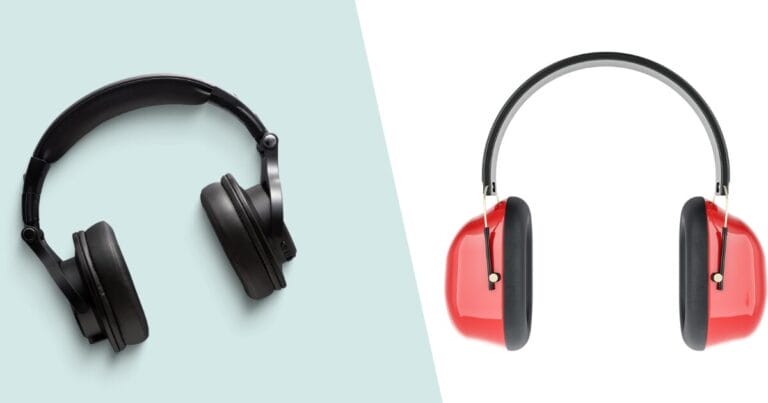
Open-Back Vs Closed-Back Headphones: Which Is Better For You?
Now that you have a glimpse of what open-back and closed-back headphones have to offer, let’s explore their differences in more detail. Are you ready? Let’s jump right in!
| Open-Back Headphones | Closed-Back Headphones |
|---|---|
| 1. Exceptional Soundstage | 1. Superior Noise Isolation |
| 2. Natural and Airy Sound | 2. Enhanced Bass Response |
| 3. Immersive Listening Experience | 3. Ideal for Recording and Mixing |
| 4. Less Ear Fatigue | 4. Blocks External Noise |
| 5. Ideal for Critical Listening | 5. Suitable for Commuting and Travel |

Key Takeaways: Open-Back vs Closed-Back Headphones
1. Open-back headphones have perforations on the ear cups, allowing sound to escape, giving a more natural and spacious soundstage.
2. Closed-back headphones have a sealed ear cup design, creating a more isolated sound experience with excellent bass response.
3. Open-back headphones are great for critical listening and audio professionals due to their accurate and detailed sound reproduction.
4. Closed-back headphones are ideal for commuters and in noisy environments as they block out external noise and keep your music private.
5. Consider your listening environment and preferences to choose between open-back and closed-back headphones for the best audio experience.
Comparing Open-Back vs Closed-Back Headphones
When it comes to choosing a pair of headphones, there are many factors to consider. One of the most important decisions is whether to go for open-back or closed-back headphones. Each type has its own unique qualities and is designed for different listening experiences. In this article, we will delve into the differences between open-back and closed-back headphones, exploring their key features, user experiences, pros and cons, and price points. By the end, you will have a better understanding of which type of headphones suits your needs best.
Overview of Open-Back Headphones
Open-back headphones are designed with perforated ear cups that allow sound to flow freely in and out. These headphones have open vents that prevent sound from being trapped inside the cups, resulting in a more natural and spacious soundstage. The open design also allows for better airflow, reducing the build-up of heat and pressure on the ears during long listening sessions. Open-back headphones are favored by audiophiles and professionals who value accuracy and a wide soundstage.
One of the key benefits of open-back headphones is their ability to provide a more natural and immersive listening experience. The open design allows ambient sounds to blend with the music, creating a sense of depth and realism. This makes open-back headphones ideal for critical listening, such as audio mixing and mastering, where accurate sound reproduction is crucial.
However, open-back headphones do have some drawbacks. Due to their open design, they tend to leak sound, making them less suitable for use in noisy environments or in situations where privacy is required. Additionally, the lack of isolation means that external noises can interfere with the listening experience. Open-back headphones are also not suitable for use in public spaces, as they allow others to hear what you’re listening to.
Overview of Closed-Back Headphones
Closed-back headphones, on the other hand, are designed with sealed ear cups that isolate the listener from external noise. This design prevents sound from escaping and blocks out background noise, allowing for a more immersive and private listening experience. Closed-back headphones are popular among commuters and gamers who want to enjoy their music or game audio without disturbance.
The main advantage of closed-back headphones is their ability to provide excellent noise isolation. The sealed ear cups prevent sound from leaking in or out, allowing you to focus on your music without being disturbed by external noise. This makes closed-back headphones ideal for use in noisy environments or when you want privacy.
However, closed-back headphones have some limitations. The closed design can create a more confined soundstage compared to open-back headphones. This may result in a less natural and spacious audio experience. Closed-back headphones also tend to generate more heat and pressure on the ears due to the lack of airflow, making them less comfortable for extended listening sessions.
Key Features Compared
Now let’s dive deeper into some key features and compare open-back and closed-back headphones:
Sound Quality
Open-back headphones are known for their accurate and detailed sound reproduction. The open design allows for a wider soundstage and better instrument separation, resulting in a more immersive and natural listening experience. Closed-back headphones, on the other hand, tend to have a more focused soundstage and a stronger bass response. They are often tuned for enhanced bass, which is preferred by many music enthusiasts.
Noise Isolation
Closed-back headphones excel in noise isolation due to their sealed ear cups. They effectively block out external noise, allowing you to fully immerse yourself in your music without any distractions. Open-back headphones, however, do not provide noise isolation as their open design allows sound to leak in and out. They are not recommended for use in noisy environments or when you need privacy.
Comfort
In terms of comfort, open-back headphones have the edge. The open design allows for better airflow, preventing heat and pressure build-up on the ears. This makes them more suitable for extended listening sessions. Closed-back headphones, on the other hand, may cause discomfort during long periods of use due to the lack of airflow.
Portability
Closed-back headphones are generally more portable than open-back headphones. The closed design provides better protection for the drivers and makes them more resistant to damage from impacts or moisture. Open-back headphones, with their open ear cups, are more vulnerable to damage and less suitable for outdoor use.
Price
In terms of price, open-back headphones tend to be more expensive than closed-back headphones. The intricate design and premium materials used in open-back headphones contribute to their higher price point. Closed-back headphones, being more common and widely available, come in a wider range of price options to suit different budgets.
User Experience
When it comes to user experience, open-back and closed-back headphones offer different listening experiences to cater to different needs and preferences.
Open-back headphones provide a more natural and immersive listening experience. The open design allows for a wider soundstage and better instrument separation, resulting in a more spacious and accurate audio reproduction. This makes them ideal for critical listening and audio professionals who need the utmost accuracy in sound reproduction. However, the lack of noise isolation and sound leakage may be a downside for those who require privacy or want to use their headphones in noisy environments.
Closed-back headphones, on the other hand, excel in providing excellent noise isolation. The sealed ear cups block out external noise, allowing you to fully immerse yourself in your music without any distractions. They are ideal for use in noisy environments or when you need privacy, such as during commuting or in office settings. However, the closed design may result in a more confined soundstage and less natural audio reproduction.
The user experience ultimately depends on your specific needs and preferences. If you value accurate sound reproduction and a wide soundstage, open-back headphones are the way to go. On the other hand, if noise isolation and privacy are your priorities, closed-back headphones are the better choice.
Pros and Cons
Open-Back Headphones
- Pros:
- Accurate and detailed sound reproduction
- Wide and immersive soundstage
- Comfortable for extended listening sessions
- Cons:
- Noise leakage, not suitable for noisy environments or when privacy is required
- Lack of noise isolation
- Not ideal for portable or outdoor use
Closed-Back Headphones
- Pros:
- Excellent noise isolation
- Focused soundstage with enhanced bass response
- More portable and resistant to damage
- Cons:
- Confined soundstage, less natural audio reproduction
- Potential discomfort during extended use due to lack of airflow
- May generate heat and pressure on the ears
Price Comparison
When it comes to price, open-back headphones generally come at a higher price point compared to closed-back headphones. The intricate design, premium materials, and specialized drivers used in open-back headphones contribute to their higher cost. Closed-back headphones, being more common and widely available, come in a wider range of price options to suit different budgets.
It is important to consider your budget and intended usage when making a headphone purchase. If you require accurate sound reproduction and a wide soundstage, investing in a high-quality pair of open-back headphones can be a worthwhile investment. However, if noise isolation and portability are your priorities, there are plenty of excellent closed-back headphones available at more affordable price points.
Comparison Table
| Feature | Open-Back Headphones | Closed-Back Headphones |
|---|---|---|
| Sound Quality | Accurate and detailed sound reproduction | Focused soundstage with enhanced bass response |
| Noise Isolation | Noise leakage, not suitable for noisy environments or when privacy is required | Excellent noise isolation |
| Comfort | Comfortable for extended listening sessions | May generate heat and pressure on the ears |
| Portability | Not ideal for portable or outdoor use | More portable and resistant to damage |
| Price | Higher price point | Wider range of price options |
Which is Better – Open-Back vs Closed-Back Headphones?
Ultimately, the choice between open-back and closed-back headphones depends on your specific needs and preferences. There is no definitive “better” choice as both types offer unique qualities and cater to different listening experiences.
If you prioritize accurate sound reproduction, a wide soundstage, and a natural audio experience, open-back headphones are the way to go. They are ideal for critical listening, audio professionals, and those who value an immersive and spacious audio reproduction.
On the other hand, if noise isolation, privacy, and portability are your priorities, closed-back headphones are the better choice. They excel in blocking out external noise and providing a more focused soundstage, making them ideal for use in noisy environments or when you want an immersive and private listening experience.
To summarize, here are three reasons to choose open-back headphones:
- Accurate sound reproduction and a wide soundstage for a natural and immersive audio experience.
- Ideal for critical listening and audio professionals who require accurate sound reproduction.
- Comfortable for extended listening sessions due to better airflow and reduced heat/pressure build-up on the ears.
And here are three reasons to choose closed-back headphones:
- Excellent noise isolation, making them suitable for use in noisy environments or when privacy is required.
- More portable and resistant to damage, making them ideal for outdoor use or commuting.
- Focused soundstage and enhanced bass response, preferred by many music enthusiasts.
Ultimately, the decision between open-back and closed-back headphones boils down to your personal preferences and usage scenarios. Consider your listening needs, budget, and intended usage to make an informed decision.
Frequently Asked Questions
Welcome to our FAQ section on open-back vs closed-back headphones. Here, we’ll address some common questions to help you understand the differences between these two types of headphones and make an informed decision. Whether you’re a music lover, gamer, or audio professional, understanding these differences can greatly enhance your listening experience. So let’s dive in!
1. Why should I choose open-back headphones over closed-back headphones?
Open-back headphones are designed to have perforations on the ear cups, allowing air to flow in and out. This design creates a more natural and spacious soundstage, making them ideal for critical listening or audio production. Open-back headphones also provide better audio accuracy, as they reduce resonance and sound reflections caused by trapped air. They often deliver a wider frequency response and improved stereo imaging, resulting in a more immersive audio experience.
However, it’s important to note that open-back headphones are not suitable for every situation. They typically leak sound and do not isolate external noise well, so using them in noisy environments or when you want privacy may not be ideal. Additionally, they do not have as much bass impact as closed-back headphones since the air can escape through the perforations, which can be a personal preference depending on your listening preferences.
2. What are the advantages of closed-back headphones over open-back headphones?
Closed-back headphones have a sealed design that isolates the listener from the surrounding environment by preventing sound leakage and reducing external noise. This makes them great for use in noisy environments or when you want to keep your audio private. They also provide stronger bass response, as the sealed design prevents the escape of low-frequency sounds and amplifies their impact. If you enjoy bass-heavy music or want a more immersive gaming experience, closed-back headphones might be the better choice.
However, closed-back headphones can sometimes have a narrower soundstage compared to open-back headphones. They can also cause your ears to heat up over extended listening periods due to reduced ventilation. Additionally, closed-back headphones might not provide the same level of audio accuracy as open-back headphones due to the potential for sound reflections and resonance caused by the sealed design.
3. Can I use open-back headphones in public places, like on public transportation or at the office?
While open-back headphones can provide incredible audio quality, they are not the best choice for public places. Open-back headphones leak sound, meaning people nearby can hear what you’re listening to, which can be disruptive both for you and those around you. This leakage can also make it difficult to hear your audio clearly in noisy environments. If you’re looking for headphones to use in public places, closed-back headphones with better isolation would be a more suitable option.
4. Are closed-back headphones suitable for professional audio production?
Yes, closed-back headphones are often used for professional audio production. The closed design helps reduce external noise, creating a more accurate listening environment for critical audio monitoring and recording tasks. Professional audio engineers rely on closed-back headphones to ensure they hear the audio being recorded or mixed without any interference from ambient noise. However, it’s important to choose high-quality closed-back headphones with a flat frequency response for accurate audio representation.
It’s worth mentioning that some professionals still prefer open-back headphones for certain parts of the audio production process, especially when it comes to evaluating soundstage and spatial imaging. Ultimately, it depends on personal preference and the specific requirements of the audio production tasks.
5. Can closed-back headphones be used for gaming?
Absolutely! Closed-back headphones can be great for gaming, especially if you enjoy immersive experiences with rich bass and minimal external noise interference. The closed design helps block out distractions and enhances the impact of in-game sound effects. Additionally, closed-back headphones often come with features like surround sound support and built-in microphones, which can be advantageous for multiplayer gaming or voice chat. So, if gaming is your primary focus, closed-back headphones can provide an excellent audio solution.
However, it’s important to consider comfort for long gaming sessions, as closed-back headphones can generate heat and may not provide as much ventilation as open-back headphones. Make sure to choose a comfortable and breathable design that suits your gaming needs.
Summary
So, to wrap it all up, open-back headphones and closed-back headphones have their own unique characteristics that can affect your listening experience.
Open-back headphones allow sound to escape, creating a more natural and spacious soundstage. They are great for listening at home or in a quiet environment where you won’t disturb others. They provide a more immersive and realistic listening experience, making them ideal for music enthusiasts and audiophiles.
On the other hand, closed-back headphones keep the sound inside and block outside noise. They are perfect for on-the-go use or in noisy environments. They provide excellent isolation, making them a good choice for focused listening or when you need to concentrate.
Ultimately, the choice between open-back and closed-back headphones depends on your personal preference and how you plan to use them. If you love feeling like you’re in the middle of a live concert, open-back headphones are for you. But if you need to block out external noise and want a more intimate listening experience, closed-back headphones are the way to go.
Remember, when choosing headphones, think about where and how you’ll use them, and don’t forget to consider the sound quality, comfort, and price too. Happy listening!

Affiliate Disclosure: Tech24BD.xyz is a participant in the Amazon Services LLC Associates Program, an affiliate advertising program designed to provide a means for sites to earn advertising fees by advertising and linking to Amazon.com